
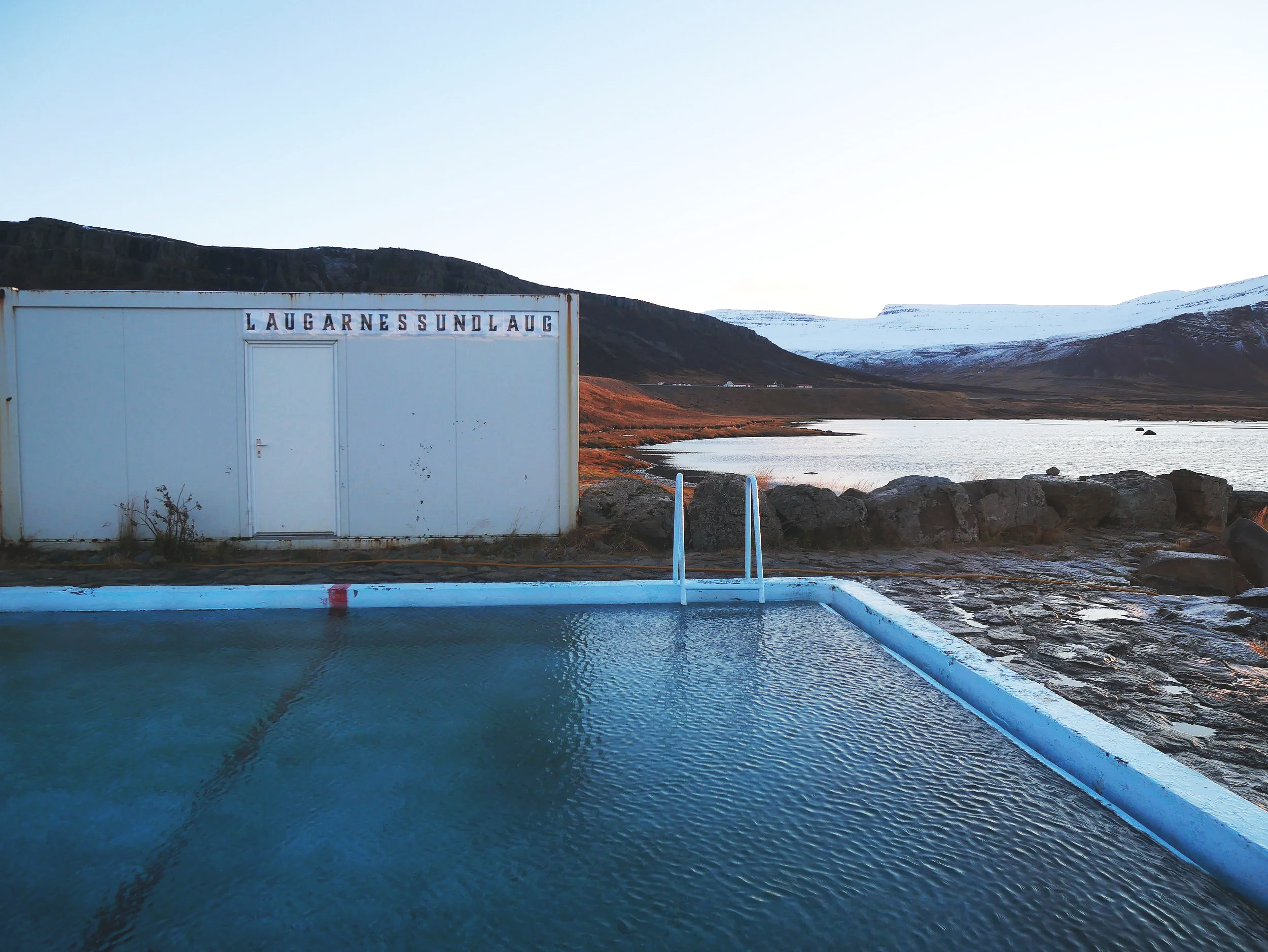
Day Three
Intensity: How Strong Light Shapes Mood and Exposure
By now, you’re noticing where light comes from and whether it’s soft or hard.
Today you learn something quieter, but just as powerful:
How strong the light is — its intensity.
Intensity changes everything.
It decides whether a photo feels washed out or rich, calm or striking.
It’s the difference between a window that gently lights a scene and one that blasts it with brightness.
Most people don’t realize they’re fighting intensity, not their camera settings.
Learning to read it is like learning to hear a whisper beneath the noise.
What intensity actually means
Intensity is simply how much light there is, how bright it is.
Low intensity light is dim, muted, and gentle.
High intensity light is strong, bright, and bold.
Neither is wrong.
Each creates a very different emotional feel.
Low Intensity Light
Low intensity light is soft, subtle, and quiet.
You’ll find it:
• on cloudy days
• in early morning or late afternoon
• in rooms with small windows
• next to lamps with shades
• in open shade on darker days
Shadows are lighter.
Highlights stay controlled.
Everything feels calmer.
Low intensity creates an intimate, reflective mood, the kind of light you naturally trust.
High Intensity Light
High intensity light is powerful and bright.
You’ll find it:
• in full midday sun
• in a bright patch of window light
• near spotlights, flashlights, or bare bulbs
• anywhere the light feels “loud”
Shadows are deep.
Highlights are brighter.
Details jump more dramatically.
High intensity light feels energetic, bold, and sometimes overwhelming, but it’s a beautiful tool when you learn to see it.
Why this matters
Sometimes a photo looks “blown out” because the light was simply too intense for your subject.
Sometimes a photo looks flat because the light wasn’t strong enough to give definition.
When you learn to read intensity, you stop fighting it.
You adjust your angle, your distance, or your expectations instead of blaming yourself.
This is where confidence begins.
Today’s Practice: The Intensity Test
Use the same simple object you’ve been photographing, a mug, plant, glasses, anything steady.
You’re going to photograph it in low intensity and high intensity light.
Low Intensity Light
Find a softly lit space:
• near a window on a cloudy day
• in open shade
• beside a lamp with a shade
• anywhere the light feels muted and calm
Place your object and take 3–5 photos.
Pay attention to how gentle the shadows look.
High Intensity Light
Now find a strong, bright source of light:
• direct sun
• a flashlight
• a lamp without a shade
• a small bright window beam
Place the object so the bright light hits it directly.
Take 3–5 photos.
Notice how much stronger the shadows appear, how quickly the highlights climb.
Does time of day matter today?
Not really.
Intensity changes throughout the day, but the lesson stays the same.
You’re not trying to capture “golden hour.”
You’re learning how to feel the strength of the light that’s already there.
Morning can be intense if the light is direct.
Midday can be soft if clouds roll in.
Evening can be harsh if a low sun hits straight on.
You’re learning to read the moment.
What you’ll begin to see
This exercise usually surprises people.
Your two sets of photos may look completely different, even though the subject didn’t move at all.
One will feel quiet.
The other will feel bold.
Same camera.
Same object.
Different intensity.
That’s the lesson.
Tomorrow, you’ll explore color, the warmth or coolness of light, and how it shapes the emotion of a photograph.
A Quiet Story
Some moments feel bright, loud with life, energy, and clarity.
Some moments arrive dim, quieter, slower, asking less of you, but offering more space.
Brightness shows what’s obvious.
Dimness shows what’s deeper.
Today wasn’t about choosing which is “better.”
It was about understanding how light intensity
is the emotional temperature of a moment,
in a photo and in your life.
Intensity shows where your energy is going.
Dimness shows where your tenderness lives.
Both tell the truth.
PAUSE
Let your eyes relax.
NOTICE
What part of your day felt too bright?
What part felt not bright enough?
CAPTURE
Find two everyday objects and photograph them:
One in bright light:
• a sink
• a cereal bowl
• a pair of shoes
One in dim light:
• inside a drawer
• a corner of a room
• a hallway floor
REFLECT
Which lighting felt more like your day today?
Reflective Question:
Where do you need more brightness in your life, and where do you need permission to dim the lights and rest?