
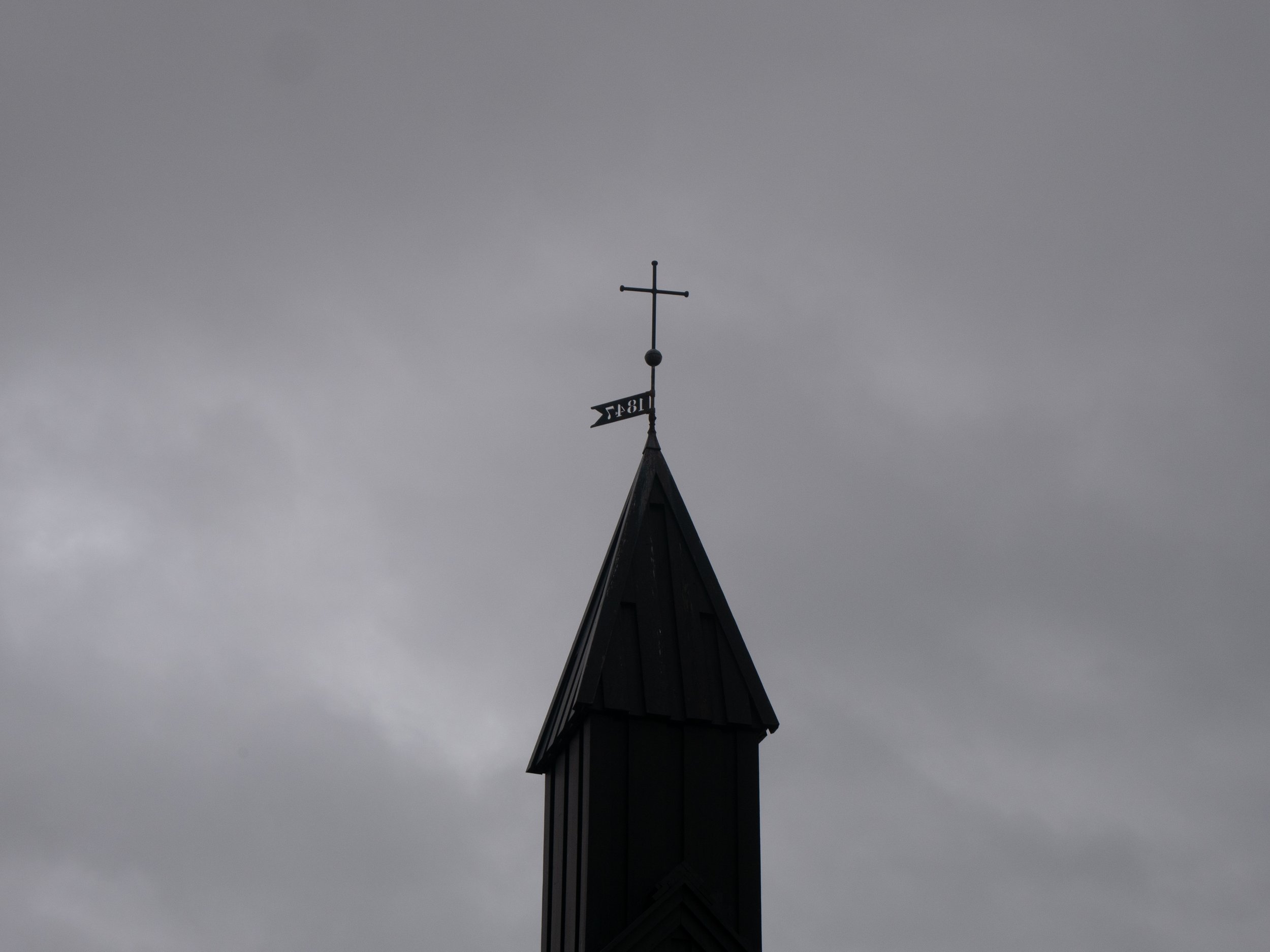
Day Four
Color: The Temperature of Light and How It Changes Emotion
You’ve learned direction, quality, and intensity.
Today you learn something people notice last, even though it affects every single photo you take:
The color of the light.
Light always has a temperature.
Warm. Cool. Neutral.
Even when your eyes don’t consciously register the shift, your camera does, and so does the mood of the image.
Once you start to see these subtle color differences, your photography becomes more intentional, more emotional, and more consistent.
Warm Light
Warm light has a golden, amber, or orange tone.
It feels cozy, intimate, nostalgic, inviting.
You see warm light:
• early morning
• late afternoon or sunset
• indoor lamps
• candles
• rooms lit by soft bulbs
• sunlight reflecting off wood or warm-colored walls
Warm light creates images that feel comforting and emotional, even before you think about composition.
Cool Light
Cool light has a blue, grey, or neutral tone.
It feels calm, clean, quiet, or sometimes moody.
You see cool light:
• on cloudy days
• in shade
• beside north-facing windows
• in rooms with LED or fluorescent bulbs
• snow, overcast, winter scenes
• when the sky is bright but the sun isn’t reaching you directly
Cool light gives images a sense of clarity and stillness.
Mixed Light
This is the sneaky one.
It happens when two different light sources hit your subject at the same time.
For example:
• window light + overhead kitchen lights
• a lamp + daylight
• sunset outside + bright interior lighting inside a room
• cool LED lights bouncing off warm wood floors
Mixed light creates strange color shifts, sometimes beautiful, sometimes distracting.
Once you learn to spot it, you understand why some photos look “off,” even if they’re well exposed
Why this matters
Color affects emotion as much as composition.
A warm photo feels different than a cool one, even when the subject is identical.
When you start noticing the color of the light before you shoot, you stop being surprised by how the photo looks on your screen.
You begin choosing the light that matches the feeling you want.
That’s the moment your work becomes more intentional.
Today’s Practice: The Color Test
Use the same simple object again, consistency helps your eye learn faster.
You’re going to photograph it in two different color temperatures:
warm light and cool light.
Warm Light
Find a warm light source:
• a lamp
• morning or late-afternoon sunlight
• candlelight (for fun)
• a room with yellow or amber-toned bulbs
Place your object and take 3–5 photos.
Pay attention to how the light makes the scene feel.
Warm light usually looks inviting and emotional.
Cool Light
Now find a cool light source:
• a window on a cloudy day
• open shade
• north-facing window
• LED or fluorescent lighting
• outdoors in overcast winter light
Take 3–5 photos.
Notice how the mood shifts, calmer, quieter, more neutral.
Does time of day matter today?
Time of day influences color, but it isn’t required.
Cool and warm light can happen at any time:
Morning sun = warm
Cloudy morning = cool
Midday sun bouncing off concrete = cool
Late-day sun through a window = warm
Lamp light at 10 PM = warm
LED kitchen lights at 10 PM = cool
You aren’t hunting for perfect light.
You’re learning to see the color of whatever light already exists.
What you’ll begin to see
This exercise creates one of the biggest “wait… how did I never notice that?” moments.
When you compare your warm and cool images, the emotional difference will be obvious, even though your subject didn’t move an inch.
Warm feels close.
Cool feels quiet.
Neither is better.
But each tells a different truth.
Tomorrow, you’ll wrap up Week One by pulling all four elements together, direction, quality, intensity, and color, so you can start reading light with confidence in any situation.
A Quiet Story
Warm light wraps.
Cool light clears.
Both shift how you feel without you noticing.
Warmth brings closeness, nostalgia, comfort.
Coolness brings clarity, honesty, simplicity.
You’re drawn to one more than the other depending on the season you’re in emotionally.
Today wasn’t about technical color balance.
It was about noticing which kind of light feels like home to you right now,
and which kind helps you breathe.
PAUSE
Hold a moment before you shoot.
NOTICE
Does warm light or cool light feel more like your truth today?
CAPTURE
Photograph two different coloured moments:
Warm light example:
• sunrise hitting a wall
• light passing through curtains
• lamplight on a surface
Cool light example:
• the inside of your fridge
• winter window light
• a shadowed hallway
REFLECT
• Which felt more like you?
• Did the warmth or coolness change your emotion?
Reflective Question:
Where in your life do you feel warmth right now, and where do you feel cool clarity? And what do you need more of?