
Day Two
Choosing Your Focus Point
How to Decide Where the Sharpness Should Go**
Yesterday you learned why soft photos happen.
Today you learn the skill that fixes 90% of it:
Choosing your focus point on purpose.
This is the moment most beginners go from “I hope this turns out”
to
“I know exactly where I want you to look.”
Focus isn’t just technical.
It’s storytelling.
Where you put the sharpness is where the viewer’s attention goes first — every single time.
How to Choose Your Focus Point (Simple + Human)
You don’t need a photography rulebook.
You only need one question:
“What part of this scene matters the most?”
Whatever your answer is,
that’s where your focus point goes.
Not centered because it’s “safe.”
Not on whatever the camera felt like guessing.
Not on the background.
On the thing you care about.
Examples:
• A person?
Focus on their eye closest to the camera.
• A flower?
Focus on the part that feels alive — often the center.
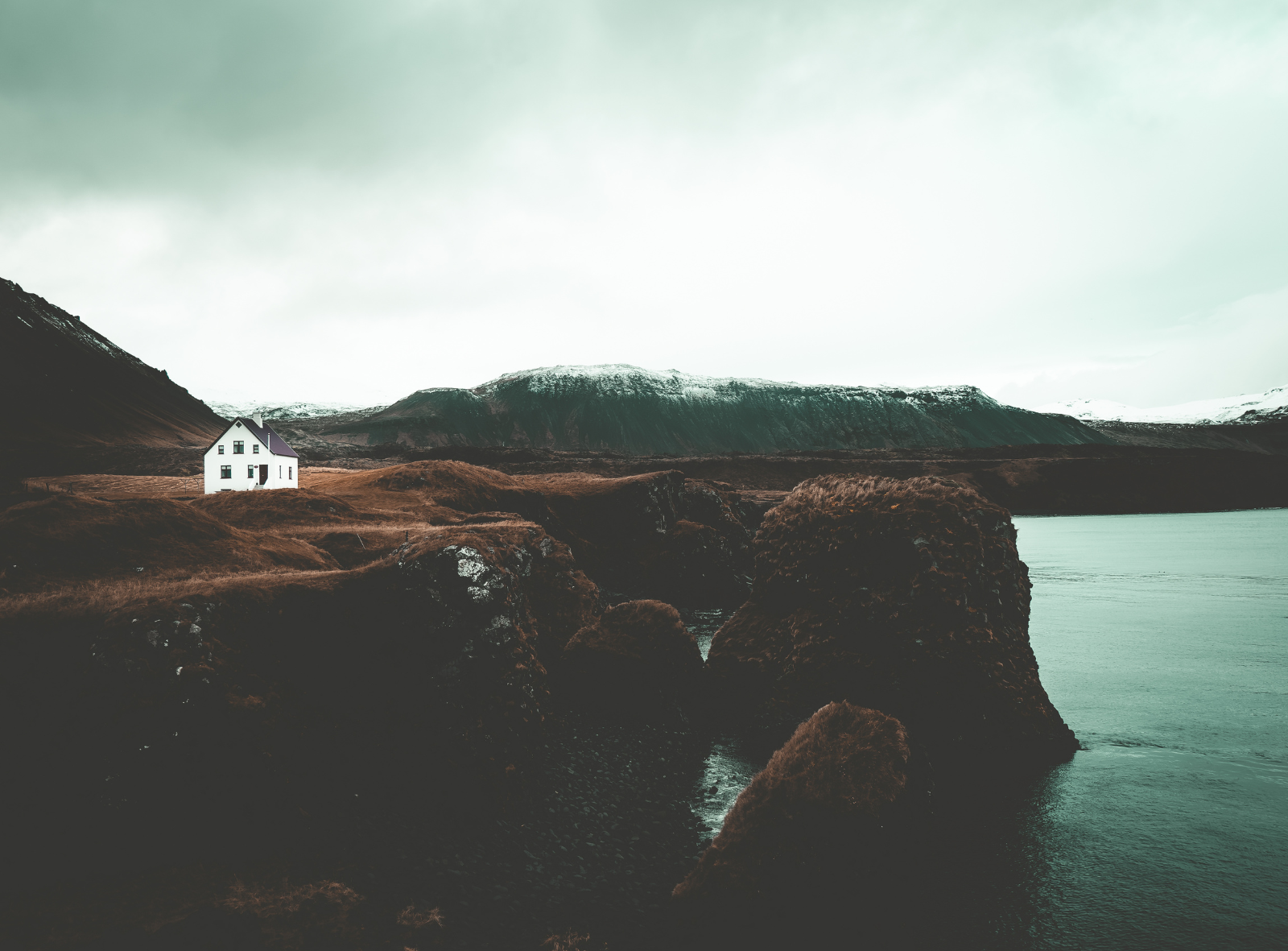
• A landscape?
Focus on a meaningful anchor point — a rock, a tree, a ridge line.
• A still life?
Focus on the detail you want the viewer to notice first.
Where the focus goes, the story begins.
How to Move the Focus Point on Your Camera
Different brands, same idea.
You’ll move the point using:
• a joystick
• arrow keys
• or tapping the screen (mirrorless and many DSLRs)
Look for a small square on your display.
That square is your “attention marker.”
Move it where you want your sharpest detail.
If your camera has multiple modes (Wide, Zone, Single Point), choose Single Point — the one that gives you the most control.
How to Choose Focus on an iPhone
Super simple:
Tap on what you want sharp
Hold to lock focus (“AE/AF LOCK”)
Recompose if needed
Shoot
That’s it.
Most iPhone users never tap-to-focus — which is why their images look soft.
You won’t be one of them.
Distance, Again (The Hidden Rule That Saves the Day)
Even if your focus point is perfect:
Too close = out of focus
Too far = background detail competes with your subject
Here’s the simple fix:
If your camera won’t lock focus,
or the image looks soft for no reason,
take one small step back.
It works almost every time.
Distance is part of focus, even though nobody talks about it.
Today’s Practice: The Intentional Focus Test
Choose one object with detail — a leaf, a mug with writing, a flower, a textured object.
Place it on a table or near a window.
You’re going to take three photos, each with the focus point on a different part.
Photo 1: Focus on the front edge
Place the focus point on the closest part of the object.
Take the shot.
Photo 2: Focus on the middle
Move the focus point slightly deeper into the object.
Take the shot.
Photo 3: Focus on the far edge
Move the focus point to the back of the object.
Take the shot.
iPhone version:
Tap three different areas of the object
(front, middle, back).
What You’ll Notice
Even though the subject never moved:
• Each photo feels different
• Depth shifts
• Sharpness moves
• The viewer’s eye lands in a different place
• The story changes instantly
This teaches the most important truth about focus:
Where you put sharpness is where your viewer will go first.
That’s the heart of intention.
Why This Matters
You’re no longer letting the camera decide what your image is about.
You’re choosing.
That’s the beginning of control, clarity, and confidence — and the end of accidental soft photos.
Tomorrow, you’ll learn the quiet skill of staying steady — how to hold your camera, how to breathe, and how to avoid shake so your focus stays crisp.
A Quiet Story
The closer you are to something,
the more intentional the focus needs to be.
Too close → the camera struggles.
Too far → the story gets lost.
Life is the same.
Some things require closeness —
presence, attention, softness.
Some things require distance —
space, perspective, breath.
Today wasn’t really about how far you stand from your subject.
It was about learning when to lean in
and when to step back.
Both are part of seeing clearly.
PAUSE
Step forward.
Step back.
See how each feels.
NOTICE
Which feels more natural to you today — closeness or space?
CAPTURE
Photograph a single object three ways:
Too close (blurry)
Too far (story gets lost)
Just right (the moment feels true)
Ideas:
• a plant
• a lamp
• the sleeve of your sweater
• a stack of books
• your kitchen tap
REFLECT
• Which distance revealed the story best?
Reflective Question:
What are you holding too close in your life, and what are you holding too far away?